
Your recordings and your privacy
A recording of somebody talking about their life is a more personal object than most people expect, and it is worth being deliberate about it rather than working it out afterwards.
A recording of a conversation you are part of, made for you and your family, is a private personal thing and is lawful to make in the UK. The person being recorded should always know it is happening. What happens to the recordings during and after a project with me is not a fixed policy: it is something we agree at the start, and the questions worth asking are set out below.
Why a recording is different from a photograph
Everybody has photographs of their parents and nobody worries much about them.
A recording is a different object. It has their thinking in it, their pauses, the things they say and then take back, the bits where they get upset. People say things to a recorder that they have not said to their own children, partly because a recorded conversation is one of the few situations in adult life where somebody listens without interrupting for an hour.
That is what makes it worth doing. It is also why it is worth deciding, in advance and out loud, what is going to happen to it.
Does the person have to know they are being recorded?
Yes. Not because of a rule, but because the alternative is indefensible.
In practical terms, in the UK, recording a conversation you are part of, for your own and your family’s use, is lawful and falls outside data protection rules, which have an exemption for purely personal and household activity. That is general information rather than legal advice, and it stops being true the moment a recording is published, sold or used for something commercial. If you are doing anything beyond keeping it in the family, the Information Commissioner’s Office is the place to check.
None of that is really the point. The point is that a life story built on a recording somebody did not know about is not a life story, it is a transcript of a person being caught out. Tell them. They nearly always say yes, and the ones who hesitate usually want to know who is going to hear it, which is a fair question and answerable.
What I can tell you now
Two things hold whatever the project is.
Nothing gets recorded before somebody has agreed to it. The first conversation is about whether any of this feels right at all, and some people decide it does not, which is fine. If you want that first conversation to have no recorder anywhere near it, say so and it will not.
Nothing is shared beyond what goes into the story. I record every conversation myself and write every story myself, so there is no third party in the middle, no team, and nobody else listening to it.
Beyond that, the handling is not a policy I publish, it is something we settle at the start of your project. The section below is what to settle.
If memory is changing
This needs more care rather than less, and it is worth saying plainly that I am not a clinician.
Consent from somebody whose memory is affected is not a single moment. It gets checked again at the start of each session and again when somebody looks uncomfortable, and the answer can be different on different days. Families are welcome to be in the room, and often should be. If a session is not working, it stops, and the day was still worth having.
More on how those sessions actually run: dementia and writing down a parent’s story.
If they have already died
Data protection law in the UK applies to living people, so a recording of somebody who has died is not covered by it in the way people often assume. What it is instead is a family matter, and families do not always agree.
Two things worth doing early. First, secure the material, because voicemails and voice notes are the most fragile thing in this whole subject and are often the first to go when a phone contract is closed or an account is shut down. Second, work out who else is in the recording. They are living people, and if a conversation with your father also has your aunt in it, the decent thing is to ask her before her part of it goes anywhere.
What to agree with me before you start
This is the bit most services leave vague, so here is what to actually ask. Ask it before you commit to anything, and ask for the answer in writing rather than in a conversation you will half remember six months later.
- Where the recordings live while the work is going on, and on whose equipment.
- What happens to them when the story is finished. Whether they come to you, whether I keep a copy, and for how long.
- Whether you want the edited recordings at all. Some families want the voice more than the book. Some would rather just have the book.
- Who is allowed to hear them. Other family members, and whether that changes once the person has died.
- How corrections work. What happens when somebody reads the draft and says that is not what happened.
- How the final approval works. Who signs it off, and what happens if two people in the same family disagree.
I have deliberately not written those up as fixed policies, because the honest answer is that they differ. A gift from three siblings for a parent who is well is not the same project as a story being built after a death, and pretending one set of rules covers both would be a worse answer than this one.
What this page is not
It is not a privacy policy for this website. The website privacy policy is separate, and it covers what happens when you message me or read this site.
It is not legal advice. If you have a genuine legal question about a recording, particularly one involving anybody outside your own family, take proper advice on it.
Last updated 20 September 2026.
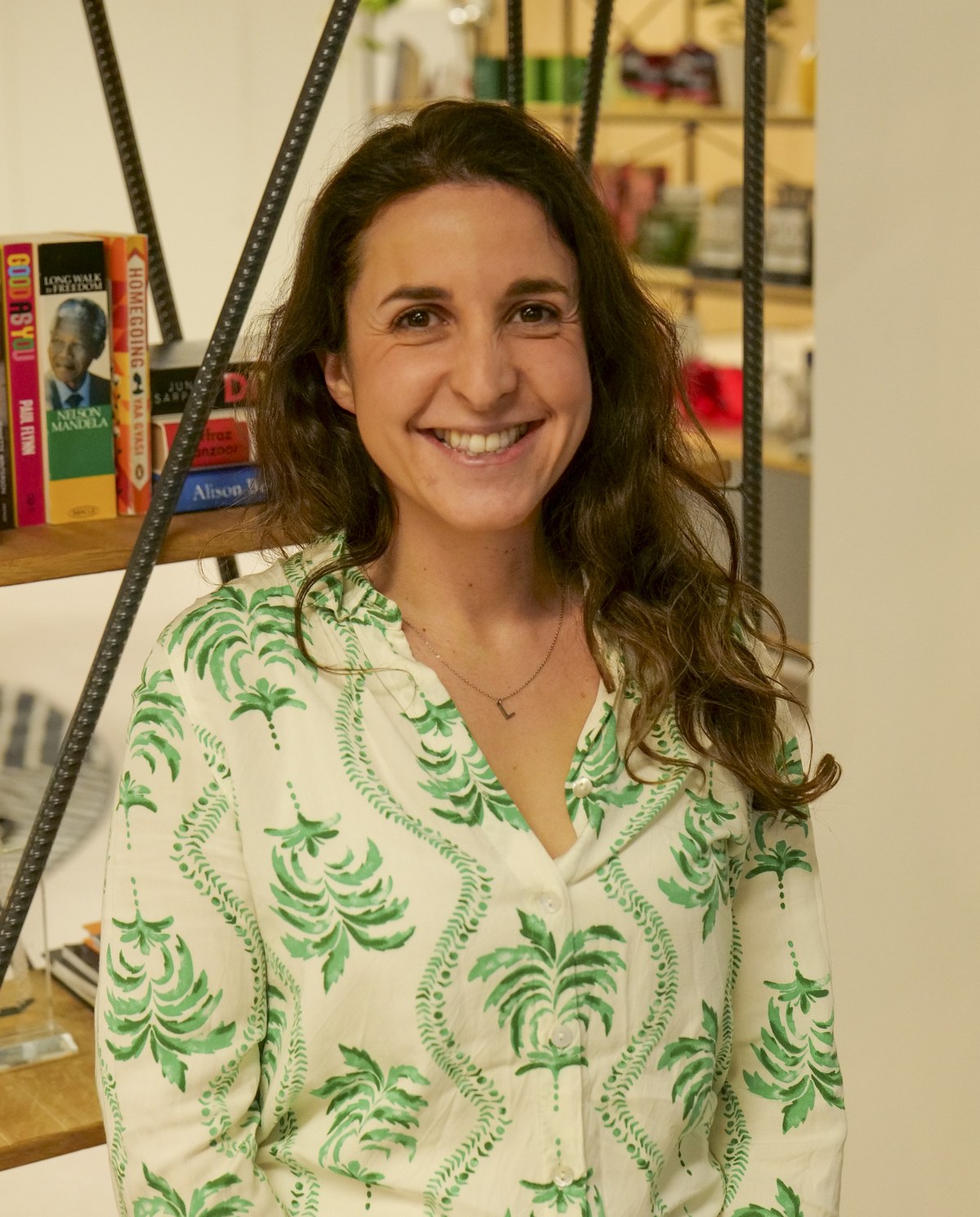
I conduct every conversation myself, and I write every story myself. Nothing is handed off. Read about Amanda→