
How to actually do it
The practical side: recording, keeping, and knowing what to do with what you already have.
You do not need equipment, and you do not need to be good at interviewing. A phone on a folded tea towel, forty minutes rather than two hours, and one specific question at a time will get you most of the way there.
These are the practical how-to pages. They give away the method I use, because most families who want to do this themselves can, and the ones who would rather not are better off knowing what the work actually involves before they ask anyone to do it for them.
For the questions themselves, rather than the mechanics, start with questions to ask.
The five things that actually matter
If you read nothing else here, this is the short version.
- Your phone is good enough. Put it a foot away on something soft, in a carpeted room, away from a television.
- Forty minutes, not two hours. Tiredness shows up in the answers long before anybody notices it in the room.
- Ask permission out loud, while recording. Five seconds, and it settles everybody.
- Do not correct them. Correcting turns a conversation into a test.
- Move the file off the phone the same day, with a name that has a date in it.
The rest of the free help
- Questions to ask, for the questions themselves rather than the mechanics, including the hundred questions and what to do when somebody says there is nothing to tell.
- The Memory Kit, when it is ready: these guides and those questions, made into something a family works through together. Not on sale yet, and nothing here depends on it.
- Amanda’s writing, if you want to see what a finished story actually reads like.
The guides
Nothing recorded yet
You have not started. This is the whole method, and it needs a phone and an afternoon.
You already have something
Recordings on a phone, a box of photographs and paper, a journal somebody started and stopped.
- What to do with recordings you already have→Voice notes, voicemails, tapes and half-finished conversations. Back them up properly first, then decide what they become.
- What to do with photographs, letters and papers→Three shoeboxes and an unlabelled album. What to do first, what is worth keeping, and how to get names written down.
- The memory journal nobody finished→Four pages done, two years in a drawer. Why these books stall, and how to get the rest of the answers.
Several of you, several versions
More than one person remembers it, and they do not agree.
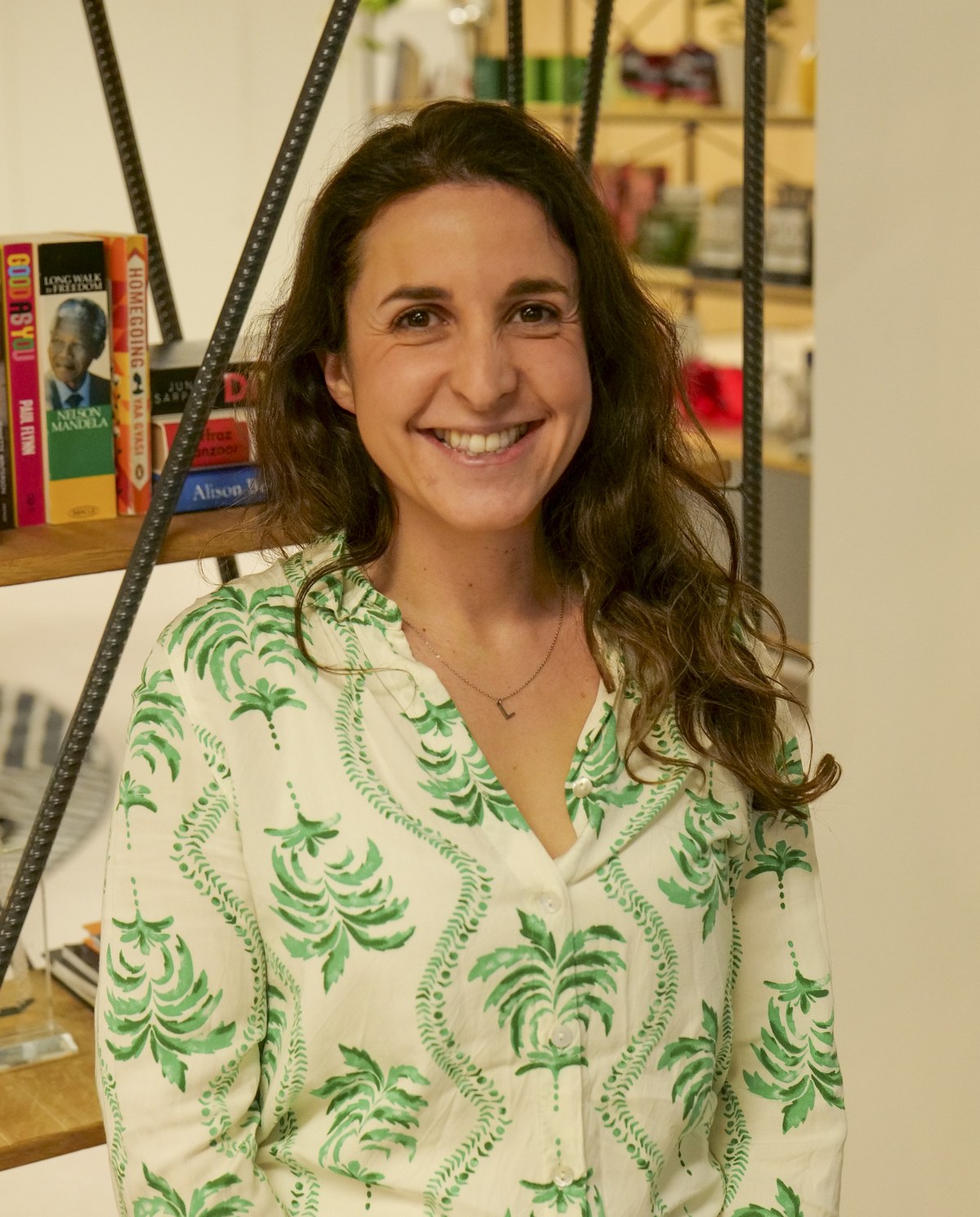
I conduct every conversation myself, and I write every story myself. Nothing is handed off. Read about Amanda→