
Your own story, told once, properly
Most people who come here are asking about a parent. Some are here about themselves, and that is a straightforward thing to arrange.
It works exactly the same way as any other story: a series of recorded conversations, written up in your own voice, and you approve every word before anything is finished. The one difference is that you decide what goes in and what stays out, which most people find easier than having a son or daughter decide it later.
It is not a book about you
That is the part people get stuck on. Writing your own story sounds like an act of vanity, and for most people it genuinely is not the point.
It is a book for the people who come after you, who will want to know things nobody thought to ask while there was time. Where you grew up, what your parents were actually like, what the work was, what you believed, what was hard and what you would say to them if you could. Those questions get asked eventually. They are just usually asked too late, of people who no longer know the answers.
Doing it yourself means the answers are yours, in your words, and nobody has to reconstruct them out of paperwork and guesswork.
Why people do it now rather than later
- A grandchild has arrived, and the gap between your childhood and theirs has suddenly become visible.
- A diagnosis, yours or somebody else’s. People often start their own story after they have watched someone else’s disappear.
- A birthday with a nought in it. Sixty, seventy, eighty. A convenient excuse rather than a real reason, which is fine.
- Retirement, when forty years of work becomes a thing with a shape and an end.
- Nobody else is going to. If you are the last of your generation who remembers a place, a family or a trade, you are the record.
What it involves for you
You talk. That is genuinely most of it.
We agree how many conversations, usually somewhere between one and four, and I record them. You do not have to prepare, though most people find themselves thinking between sessions and turning up with something they had forgotten. Photographs, letters and documents are welcome but not required.
Then I write it, you read a full draft, and you change whatever you want to change. Nothing is finished until you say it is.
If you would rather see the questions first, the 100 questions list is the same territory I would cover, and there is no reason you cannot start on your own with a phone before you decide anything.
Things people want to leave out
Almost everybody has something they would rather not put in, and that is your decision, not mine or your family’s.
Some people tell me the whole of something and then decide it stays out. Some put in a chapter that only certain people should read. Some record a section that is not for the book at all, but is there, in their own voice, for whoever needs it later. All of that is normal, and none of it is awkward to arrange.
Messages meant for later
A related thing people ask about: something recorded or written now, meant to be given at a particular moment. A letter for an eighteenth birthday. Something to be read at a wedding. Words for a grandchild who is currently two.
This is easy to do alongside a life story and it does not need to be part of the book. Say so at the start and we will work out the shape of it.
What it costs
The same as any other story: the Life Story starts at £250, and the price depends on how many conversations you want. If what you want is unusual in shape, that is Bespoke, and it is priced on a call.
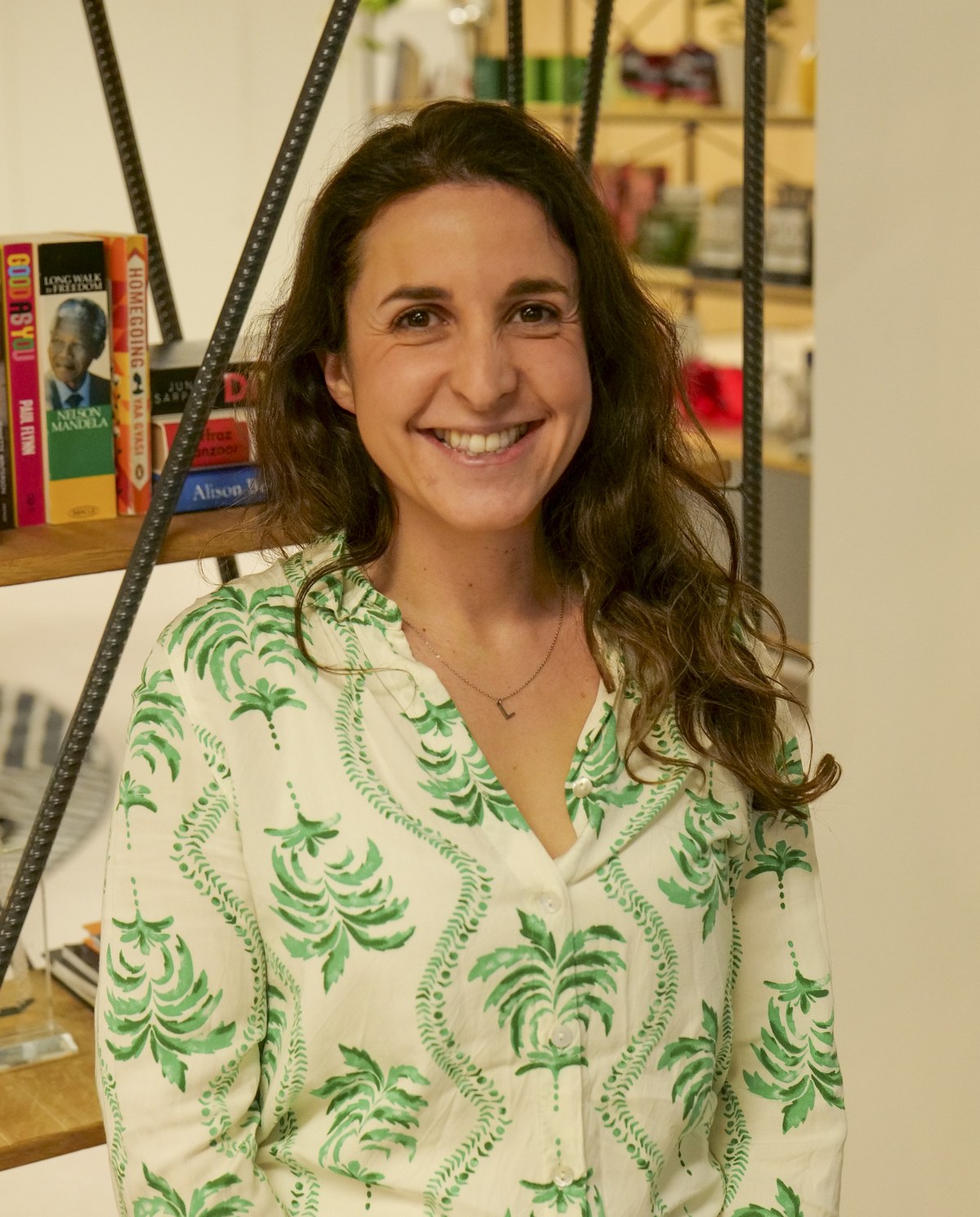
I conduct every conversation myself, and I write every story myself. Nothing is handed off. Read about Amanda→